

Applying for a consultant post
Securing your first consultant post is an important milestone in your career. The process often begins well before a vacancy is advertised, with opportunities to develop specialist skills, build professional networks and gain experiences that align with your long-term career goals. The guidance below outlines some key considerations when preparing for consultant applications and interviews.
Planning ahead
It can take several years to develop a business case for a new consultant post. If there is a specific hospital, department or location where you would like to work, it is worth planning ahead. Are there particular skills or experiences they would like you to develop? If you are interested in a subspecialty that is only available in a small number of centres, you may need to undertake a fellowship or gain additional postgraduate qualifications.
Speak to departments that interest you early. You may meet someone at a conference whose career path inspires you. Take the opportunity to start a conversation and consider arranging a visit in the future as part of your career planning.
To learn more about the different respiratory subspecialties, watch the British Thoracic Society's (BTS) video series, where consultants and leading clinicians discuss their career journeys and experiences working across the specialty.
Understanding what matters to you
Think about what matters most to you in your career, whether that's research, medical education, service development, or working in a particular hospital or geographical area. You may find that opportunities in a different NHS region offer a role that better aligns with your interests and career goals.
Take the time to explore different options by visiting other centres and speaking with colleagues who have worked in different regions or organisations. Their experiences can help you gain a broader understanding of the opportunities available and identify the environment that is the right fit for you.
Complete your application
Consultant applications are often lengthy, so give yourself plenty of time to complete them. Setting aside dedicated time, such as a weekend, can help you reflect on your CV and achievements, which will also support your interview preparation. Tailor your application to the role you are applying for, highlighting the skills and experience that demonstrate your suitability for the post.
Meet the department
Arrange to visit the hospital you are interested in and where possible, meet with the Head of Department and a member of the executive team, such as the Medical Director or Chief Executive, before your interview. These conversations can help you decide whether the organisation is the right fit for you, while also giving you a better understanding of the trust's priorities, future direction and any potential challenges.
Try to arrange these visits early, ideally while you are completing your application. Remember that this is an opportunity for both you and the employer to assess whether the role is a good match, so it is worth preparing for informal visits in the same way you would for a formal interview.
Research the organisation
Most hospitals will have information about their organisation, priorities and future plans available on their website. Reviewing this can help you understand the trust's strategic direction and future aspirations, as well as how the organisation 'thinks' and communicates its goals. This can be useful when preparing for an interview and tailoring your answers to the role.
Prepare for interview
There are a range of courses available to help you prepare for a consultant interview. These can provide an overview of NHS structures, interview techniques and approaches to common or challenging interview questions.
It is also worth speaking to consultants who have recently been through the process and asking about the questions they found most challenging. This can help you prepare for a range of scenarios and refine your answers. Have a few standard answers ready for the most common questions.
Think about how you will communicate your skills, experience and achievements, and why you are well suited to the role. While preparation is important, remember that interview panels are also looking for someone they would be happy to work with as a future colleague.
Understand the interview process
Your interview panel is likely to include a range of individuals from across the organisation, including:
- Staff from the hiring department
- Royal College representatives
- HR staff
- Trust board and executive committee members
- A lay person (e.g. a member of the non-executive hospital board)
Consultant stories
Dr Sabi Hippolyte
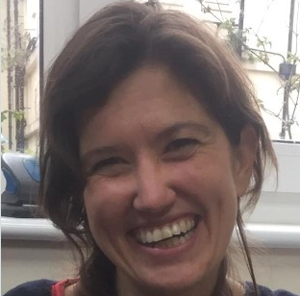
Read Dr Sabi Hippolyte's consultant story
Dr Selina Tsim
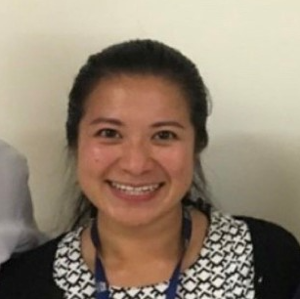
Read Dr Selina Tsim's consultant story
Dr James Bonnington
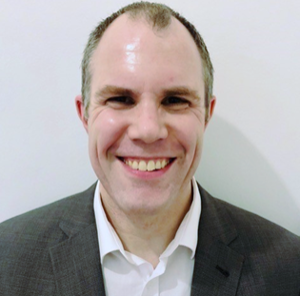
Read Dr James Bonnington's consultant story
Dr Haval Balata